For many Nigerians, owning a home is a lifelong dream. While some buy properties outright, others choose mortgages — a financing option that allows you to spread payments over several years. Before walking into a bank to request one, it’s important to understand how the mortgage process works in Nigeria, the documents you’ll need, and what makes you qualify or get disqualified.
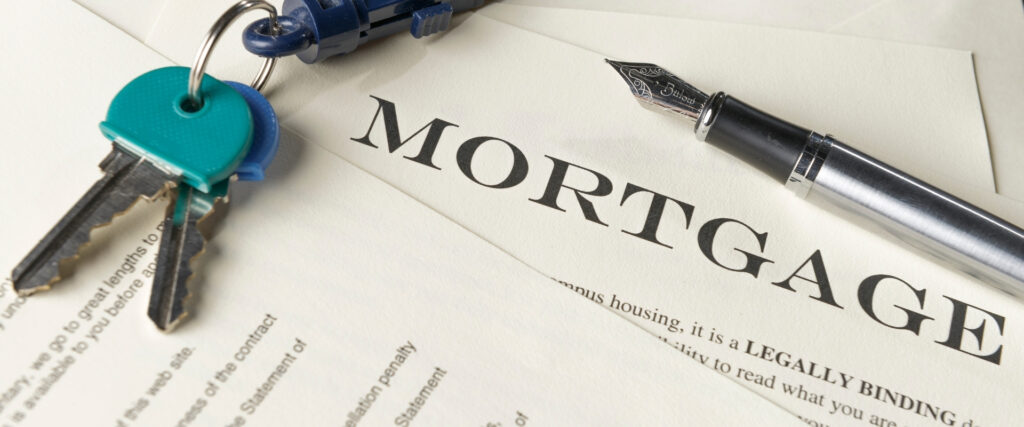
What is a Mortgage?
A mortgage is a loan given by a bank or mortgage institution to help you buy or complete a property. The property itself serves as collateral — meaning the bank can reclaim the loan if you default on payments. In Nigeria, mortgage terms typically range from 5 to 20 years, depending on the lender and at times the borrower e,g. borrower’s age.
Step-by-Step Mortgage Process in Nigeria
1. Initial Consultation & Eligibility Check
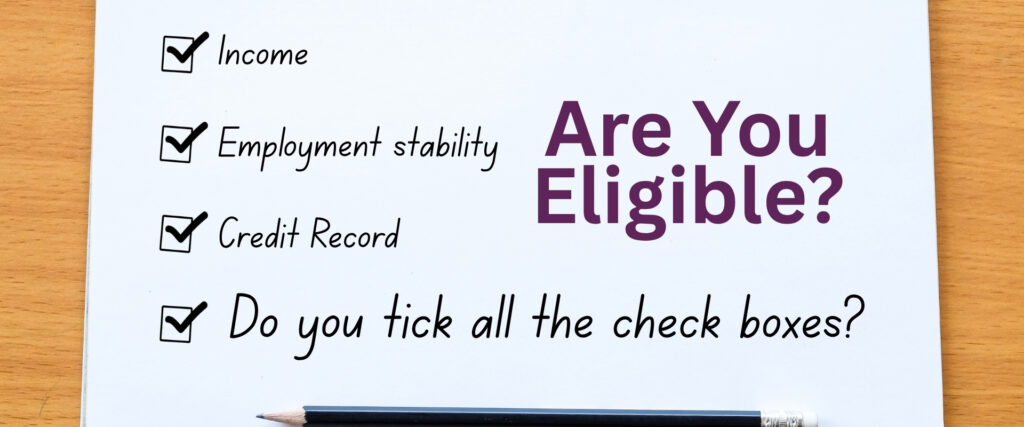
Before you start gathering paperwork, you’ll need to speak with your bank or mortgage provider. They will assess your income, credit record, and employment stability to determine if you meet their lending requirements.
2. Document Submission
Once you’re eligible, you’ll be required to provide specific documents. In Nigeria, banks typically request:
A. Personal Identification & Financial Documents
- Valid ID card (International Passport, National ID, Driver’s License, or Voter’s Card)
- Passport photographs
- Six months’ bank statements
- Pay slips or proof of income (for salary earners)
- Tax clearance certificate or evidence of tax payment
- Employer’s reference letter (if employed)
- CAC registration documents & audited financial statements (for business owners)
B. Property Title Documents (must be in seller’s name)
Next, the bank needs proof that the property you’re using as collateral is legally yours. This could be:
- Certificate of Occupancy (C of O): Global C of Os must be regularized and individualized.
- Governor’s Consent
- Registered Deed of Assignment or Title Deed
- Deed of Sublease (for leasehold properties)
- Survey plan
- Some banks may require property insurance — like fire or building insurance — before approval
For already-built properties, you may also need: - Building plan approval
- Evidence of property tax payments
- Insurance cover
C. Property Valuation Report
- Banks won’t just take your word for it — they’ll require a valuation from a bank-approved estate valuer. This report confirms the property’s current market value, its physical condition and forced market value.
D. Offer Letter from Developer or Seller (for off-plan or under-construction projects)
- For off-plan or under-construction properties, you’ll need an official offer letter from the developer or seller
E. Loan Application & Consent Forms
- Must have been saving with the mortgage bank for up to 6 months or have the minimum equity required to save immediately.
- All initial assessments and requirements passed.
- Completed loan application form
- Consent to debit account & credit due cheques
- Spouse’s consent letter (for married applicants)
3. Property Valuation & Legal Checks

The bank will engage a valuer to assess the property and ensure all title documents are authentic and valid.
4. Offer Approval
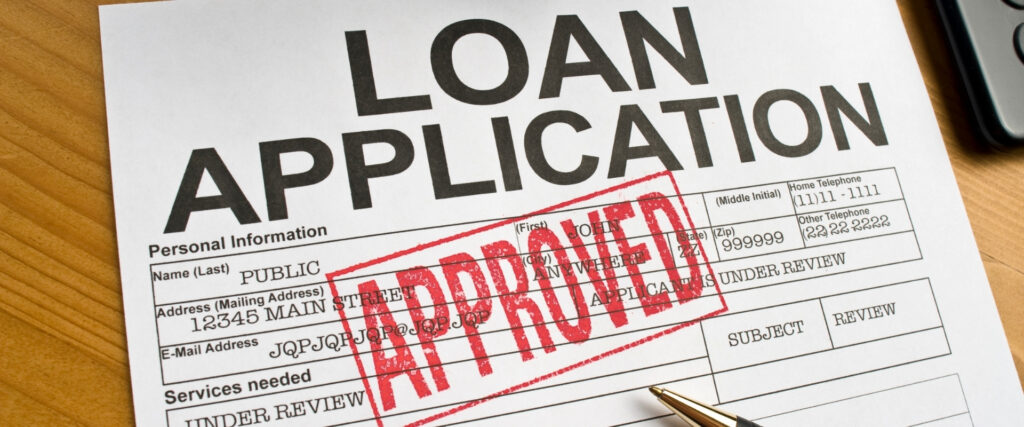
If all checks are satisfactory, the bank will issue a loan offer letter detailing repayment terms, interest rate, and conditions.
5. Loan Disbursement
Upon acceptance of the offer and fulfillment of all requirements, the bank releases funds directly to the seller or developer.
Who Qualifies for a Mortgage in Nigeria?
You are more likely to be approved for a mortgage if you:
✅ Have a stable source of income (salaried job or profitable business)
✅ Can provide all required documents
✅ Have a clean credit history (no record of unpaid debts or bounced cheques)
✅ Are between 21 and 60 years old at the time of loan maturity
✅ Can afford the required equity contribution (usually 20%–30% of property price)
✅ Have valid and acceptable property titles
What Can Disqualify You from Getting a Mortgage?
Banks may decline your application if:
❌ Your property title is unregistered or communal land
❌ You have an irregular or unstable income
❌ You have poor credit history or unpaid loans
❌ You fail to provide required documents
❌ You are unable to make the required equity contribution
❌ The property is in poor condition or fails valuation checks
❌ You are nearing retirement and the repayment term extends beyond your working years
Final Tips for a Smooth Mortgage Approval
- Start saving early for your equity contribution.
- Ensure your property documents are clear, registered, and authentic.
- Maintain a good credit score — pay off debts on time.
- Compare interest rates and terms from different banks before choosing.
At TB & T Real Estate, we assist clients in navigating the mortgage process — from document preparation to bank negotiations — so you can own your dream home without unnecessary stress.
Contact us today to begin your journey to home ownership.
WhatsApp chat Bunmi +234 817 669 1501